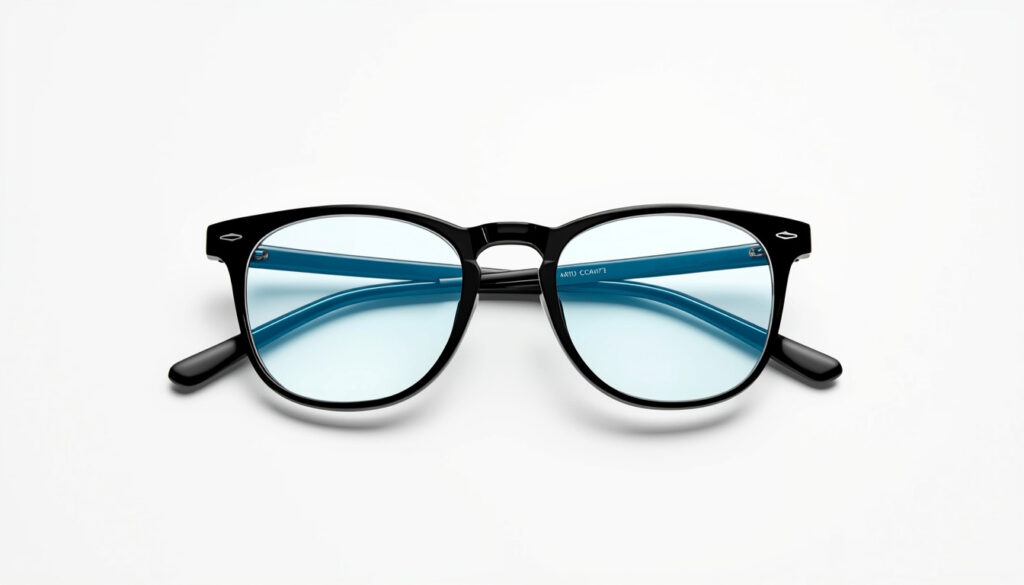
A Complete Guide to choosing your lenses.
When shopping for new eyeglasses, selecting the right lens type is just as important as choosing stylish frames. Different lenses are designed to meet different vision needs, from simple reading glasses to advanced progressive lenses. Below, we’ll break down the lens options available at Frame Fiesta and explain what each one means—so you can make an informed decision about your eyewear.
What Does +AR Mean?
Before diving into the options, let’s start with AR.
AR stands for Anti-Reflective coating, sometimes called anti-glare. This treatment reduces reflections from screens, headlights, and bright lights, helping you see more clearly and reducing eye strain. It also makes your lenses look nearly invisible, so people see your eyes instead of distracting glare.
Non-Prescription – Demo Lenses
These are the clear, plastic lenses that often come with frames directly from the manufacturer. They may have branding or writing on them, and they are not designed for everyday wear. Demo lenses do not provide vision correction or protection. We always recommend replacing them with the appropriate prescription or non-prescription functional lenses before use.
Readers +AR
Reading glasses are designed for people who need extra magnification up close—usually for tasks like reading books, using a smartphone, or working on crafts. Adding AR coating makes them more comfortable to use under artificial lighting and reduces reflections from digital screens.
Non-Prescription Blue Light +AR
If you don’t need vision correction but want to protect your eyes, blue light lenses are a smart choice. These lenses filter out part of the blue light emitted from computers, phones, and tablets, which may help reduce eye strain and fatigue during long screen sessions. With AR coating, they’re even more effective for digital device use.
Single Vision +AR
Single vision lenses are the most common type of prescription lens. They provide one consistent power across the entire lens, whether for distance, intermediate, or near vision. With AR coating, single vision lenses deliver crisp, clear sight for everyday use.
Bi-Focal +AR – With Line
Bifocal lenses include two prescriptions in one lens: one for distance and one for near vision, separated by a visible line. Many people recognize them as “lined bifocals.” Adding AR reduces glare, making them more comfortable for reading, driving, or daily tasks.
Standard Progressive +AR – No Line
Progressive lenses provide seamless vision correction at multiple distances—near, intermediate, and far—without the visible line seen in bifocals. This makes them more modern and natural looking. Standard progressive lenses may have some peripheral distortion, but they’re a great choice for those needing clear vision at all ranges in one pair of glasses.
Premium Progressive +AR – No Line
Like standard progressives, premium progressive lenses offer correction for near, intermediate, and distance vision. However, the key difference is in comfort and clarity. Premium designs reduce peripheral distortion and provide a wider corridor for both reading and intermediate tasks, such as computer use. This makes them easier to adapt to and more comfortable for extended wear.
Choosing the Right Lenses for You
The right lens depends on your vision needs, daily activities, and lifestyle. Whether you need readers for up close work, progressives for seamless all-distance correction, or blue light protection for digital use, each option offers unique benefits.
At Frame Fiesta, we make it easy to customize your lenses so your glasses are not only stylish, but also functional and comfortable for your everyday life.
Frequently Asked Questions About Eyeglass Lenses
1. What is an anti-reflective (AR) coating, and do I need it?
Anti-reflective (AR) coating reduces glare from screens, headlights, and bright lights. It improves clarity, reduces eye strain, and makes your lenses look clearer. Most people benefit from AR, especially if they drive at night or use digital devices frequently.
2. What are demo lenses, and can I wear them?
Demo lenses come with new frames from the manufacturer. They may have logos or print on them and are not designed for vision correction or protection. We recommend replacing them with prescription or non-prescription functional lenses before use.
3. What’s the difference between bifocals and progressive lenses?
Bifocals have two distinct vision zones (distance and near) with a visible line. Progressives offer seamless correction for distance, intermediate, and near—without a line, making them more modern and comfortable.
4. Why would I choose premium progressive lenses over standard?
Premium progressives reduce peripheral distortion and provide a wider, more natural field of view for reading and computer use. They’re easier to adapt to and offer more comfort than standard progressives.
5. Do blue light glasses really work?
Blue light glasses filter part of the high-energy blue light from screens. While they don’t replace prescription lenses, many users report reduced eye strain, headaches, and improved comfort during long hours of digital device use.
6. Can I use readers if I don’t have a prescription?
Yes. Readers are non-prescription magnifying glasses designed for close-up tasks like reading or crafts. They’re especially helpful if you experience presbyopia (age-related near-vision difficulty).